

When Archana Paul arrived in Canada in 2010 鈥� with her husband, two children, a master鈥檚 degree in psychiatric nursing, and 10 years of experience as a nurse educator and frontline registered nurse under her belt 鈥� she was shocked to discover that she couldn鈥檛 get a job. Even entry-level positions at places like McDonald鈥檚 and Tim Hortons wouldn鈥檛 hire her without prior Canadian work experience.
Fast forward to 14 years later and Paul is now a highly regarded professor in 快播视频鈥檚 School of Nursing who has recently been recognized by the 鈥� one of the first internationally educated nurses to receive this honour.
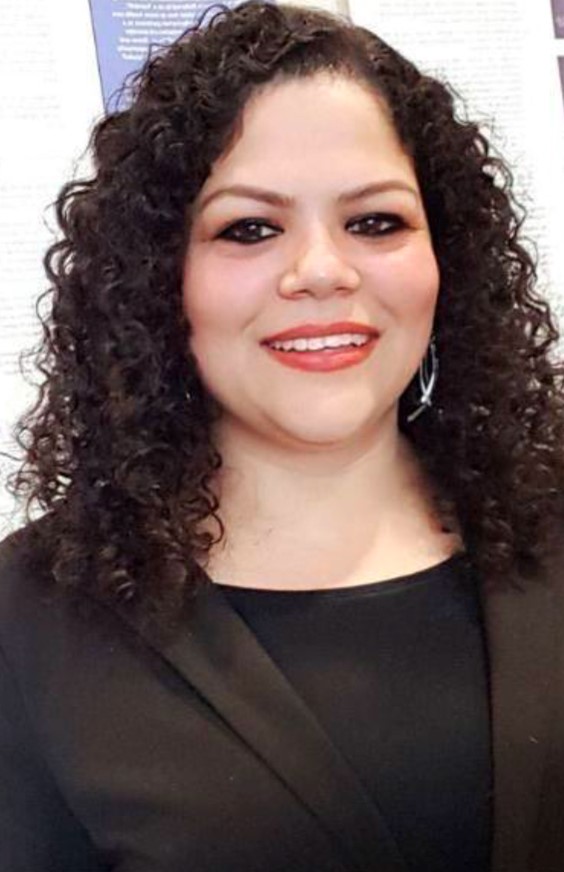
鈥淚 held a certain degree of skepticism regarding my decision to settle in a new country and practise in a different environment,鈥� admitted Paul during her COUPN Awards acceptance speech. 鈥淢y initial experiences were marked by hardships and challenges, including the loss of my professional identity, as I felt I was 鈥榥obody鈥� even though I had more than 10 years of experience in nursing.鈥�
Having to adapt to new ways of living, acquire clinical competency, deal with cultural displacement and perfect her language skills made the transition to Canadian life more difficult than she had ever imagined. However, with an unwavering determination, Paul went on countless interviews and gradually learned how to advocate for herself until she secured her first Canadian job a year and a half later, as a nurse in the emergency department at Toronto鈥檚 Centre for Addiction & Mental Health. Four years after that, she was hired as a nurse educator at Humber River Health, and then shortly thereafter she joined the faculty of York鈥檚 School of Nursing, which was seeking educators like Paul with clinical expertise in mental health nursing.
Today, while teaching full-time at York, Paul maintains her position as a frontline nurse in Humber River Health鈥檚 mental health crisis unit. She feels it is important to her teaching to remain a practising nurse, allowing her to bring that real-world perspective into the classroom. And that perspective is a big part of why Paul has been recognized by her peers, students and COUPN for her teaching excellence.
Paul is known for using creative teaching strategies to bridge the gap between classroom theory and real-life experiences, like engaging users of mental health services as guest speakers in her courses to help critically examine the power divide between patients and health-care providers.
Viewing herself as an instructor and her students as 鈥渃o-creators鈥� in knowledge, Paul seeks to shift traditional, hierarchical approaches to teaching.
鈥淎fter years of practising as a nurse and nurse educator in Canada, I have confidently redefined power dynamics in education,鈥� explained Paul in her speech. 鈥淚 now see myself as a facilitator, mentor, guide and advisor who empowers students to achieve their full potential.鈥�
Paul is committed to continuing to serve her community through support and mentorship, especially for international students and internationally educated nurses like herself who are facing challenges similar to those she faced upon arrival to Canada.
Quoting famed British nurse Florence Nightingale in her speech, saying, "鈥楲et us never consider ourselves finished nurses.... We must be learning all of our lives,鈥�" Paul is a firm believer in lifelong learning. In fact, she plans to continue her learning journey by pursing her PhD in the coming years. And despite being a teaching-stream professor at York, she has involved herself in small-scale research focusing on student well-being, as well as teaching and learning.
鈥淚 am convinced that by being open to change, building knowledge and developing relationships, we can create innovative approaches to teaching effectiveness, optimize student learning outcomes and ultimately improve client care,鈥� she said.
Despite her many career accomplishments over the past 14 years, having her teaching recognized with a COUPN Award 鈥� requiring nomination and support from colleagues, peers and students 鈥� has made Paul finally accept that she has achieved success in Canada.
鈥淚 now believe that I am 鈥榮omebody鈥� in this country,鈥� she concluded. And she鈥檚 right.